
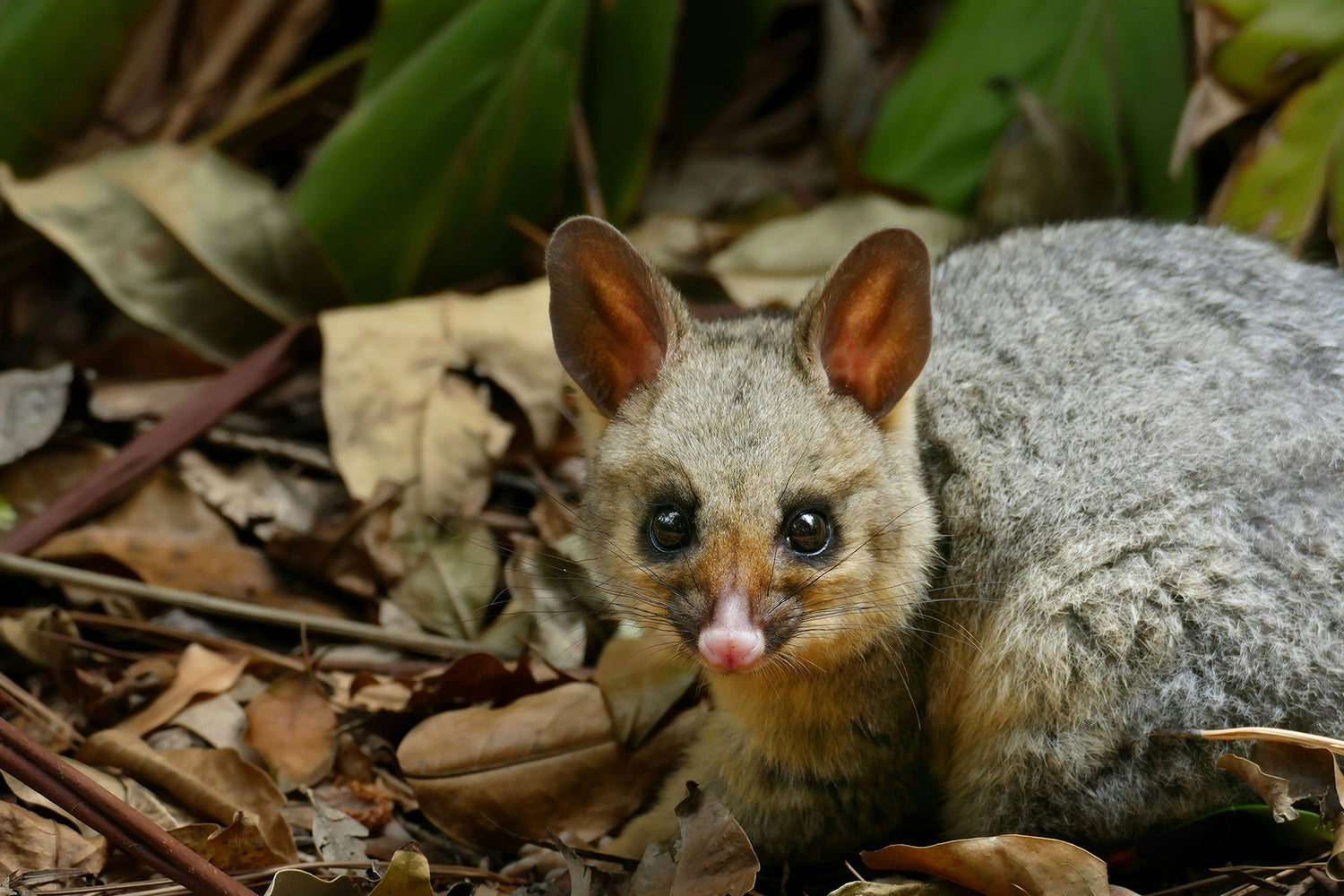
If you’re new to possum trapping, it can be a bit overwhelming figuring out which trap best suits your needs for ease of use, cost and outcome. That’s why our friendly team of experts here at Traps.co.nz has put together a quick guide to help you choose the right product for your needs. Whether you’re a farmer, a lifestyle block owner, or a keen conservationist, we’ll take you through a plain language comparison on each of the traps, so you know what you’re dealing with.
What traps are available and what do they do?
Leg-hold Trap / Bush Master No.1 Leg-hold Trap: These are some of our top selling live capture traps. They are a non-lethal option that restrains the animal for later release or dispatch.
Timms Possum Trap: The classic spring-jaw design that delivers a rapid neck break when possums reach through for bait. It’s proven, simple, and cost-effective.
Flipping Timmy: Is one of our top sellers for those new to trapping or people looking for easy to manage solutions. It’s a vertical flip-style kill trap that flips the possum clear of the device. It’s NAWAC-approved, easy to service, compact, and pet-safe and offers multiple sensitivity settings. No maintenance is required, it retains its strength for the full life of the trap.
Trapinator Possum Trap: A modern, tree-mounted kill trap housed in a lightweight plastic box. Triggered by biting a bait block, it snaps a bar across the possum’s neck. It's designed for ease of use and safety around non-target species.
Sentinel Possum Kill Trap: Is one of our top sellers with more experienced trappers. It’s designed for wide-area use and field portability, with a rat-resistant bait clip and NAWAC-approved humaneness. This product is light, durable, portable, and easy to use. It is used by DOC on a large scale.
NOTE: NAWAC stands for National Animal Welfare Advisory Committee. Meeting NAWAC guidelines means the trap is classed as humane, effective and minimises the animals’ suffering.
How do these traps compare to each other?
| Trap | Type / Mechanism | NAWAC Humane Rating for Kill Traps | Mount / Use | Best For |
|---|---|---|---|---|
| Leg-hold Traps (live capture trap) | Non-lethal restraint | N/A | Ground / Post / Tree | Catch & release, safe around pets. |
| Timms Trap | Spring-jaw, neck break | Proven humane design | Ground / Post / Tree | Ideal for use and in orchards, lifestyle blocks and farms. |
| Flipping Timmy | Flip-over kill box | NAWAC-approved | Vertical mount, chest height | Easy servicing, safe around pets. Both inexperienced and experienced trappers. |
| Trapinator | Spring bar via bait block | NAWAC-equivalent (humane) | Tree / post ~1.2 m high | Easy to clear, safe around pets. Both inexperienced and experienced trappers. Large scale control and backyard use. |
| Sentinel | Lightweight kill-trap with bait clip | NAWAC-approved | Tree-mount, portable arrays | Wider area, DOC use / experienced trappers. |
Which trap best suits my needs?
Here’s a quick summary on the situations each trap is best suited to:
Leg-hold Traps: When non-lethal capture is needed—for instance, in pet-friendly environments or wildlife translocation.
Timms Trap: A trusted, low-cost option suitable for, lifestyle blocks, orchards and farms. It’s simple, affordable and easy to use.
Flipping Timmy: Excellent for ease of service and minimal handling. It’s ideal for situations where quick reset and pet-safe designs are valued. It’s conveniently installed around chest height, making setting and clearing traps easier, particularly if you have a lot to manage.
Trapinator: Lightweight and user-friendly, great for homeowners needing pet-safe, easy-to-service traps. This product is ideal if you need to deploy multiple lightweight traps for large-scale possum control.
Sentinel: Suited to wide-area trapping by experienced teams. It is portable, rat-resistant, and DOC-tested.
Additional tips and tricks
Always wear gloves when handling traps (even when setting them up for the first time) to prevent your human smell from scaring them off and prevent disease transmission when clearing away dead possums.
Lures are important, strong smelling lures help attract possums to your traps. You can use things like apples and carrots dusted with cinnamon, but more professional lures like Possum Dough or Possum & Rat Lure are better as they stay fresh for longer, are strongly scented (meaning they attract possums form further away), survive well in heavy rain conditions and are mould resistant. If lures are mouldy or dried out possums will ignore them. You can also dust the area leading up to the entrance of the trap with cinnamon or flour to help lead the possum to the entrance.
Don't over bait. A small piece of bait (roughly 3-4cms) secured firmly on a bait hook means the possum has to put it's head into the trap to retrieve it. If you make the bait too large you risk the possum being able to take the bait or nibble the edges without getting it's head properly into the kill zone.
Placement is everything. Set traps up on possum highways/where possums have been active. Look for well worn tracks along the ground, along fen lines and fallen logs. If you have been doing monitoring in the area with Wax Tags, Chew Cards or Tracking Tunnels and have found evidence of possum activity, be sure to place traps there.
Set multiple traps in areas where possums have been seen. A single trap on its own will be far less effective than having several traps interrupting their path of travel.
If you’re still feeling unsure about which trap suits your needs, feel free to reach out to our friendly team for advice.




Leave a comment
This site is protected by hCaptcha and the hCaptcha Privacy Policy and Terms of Service apply.